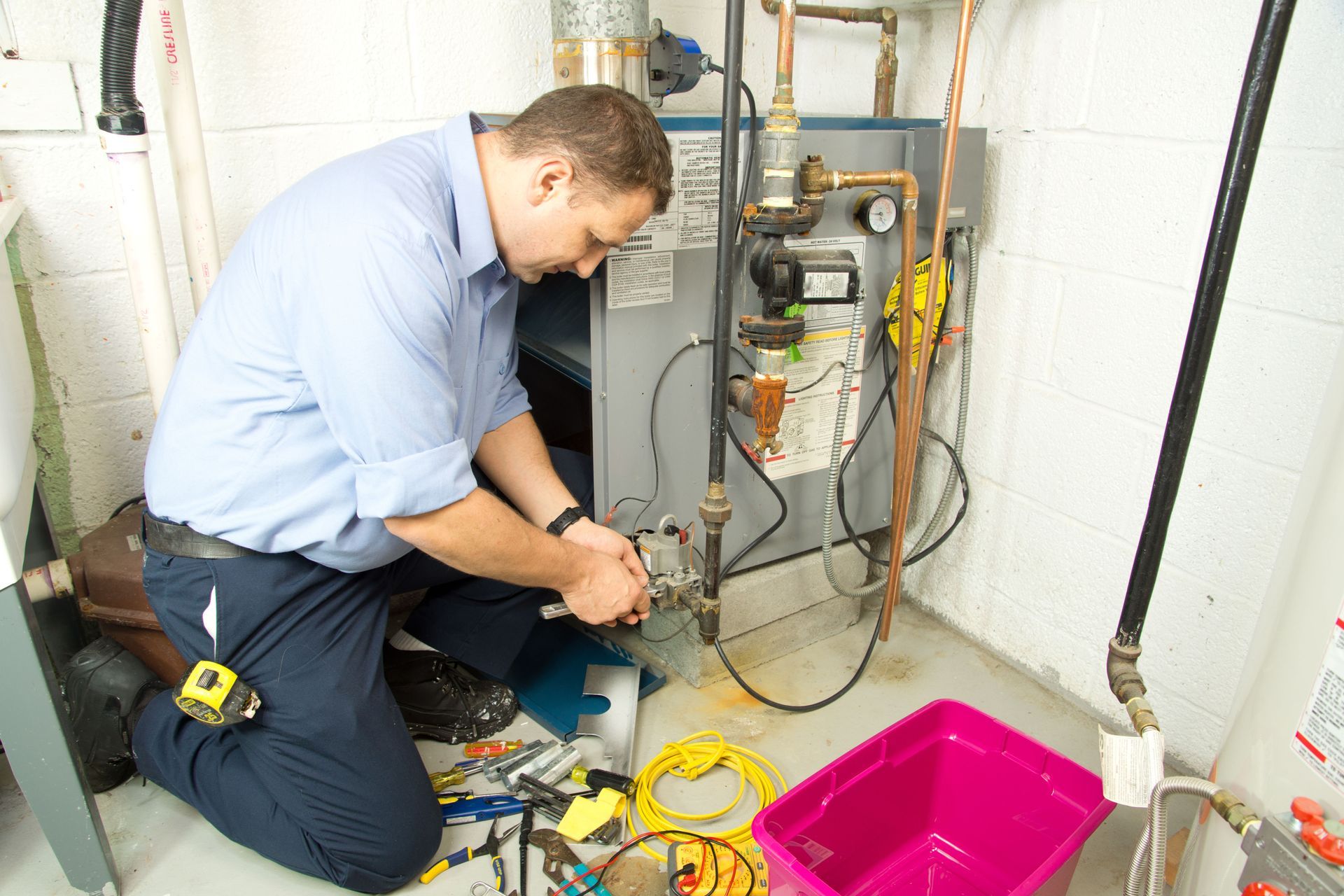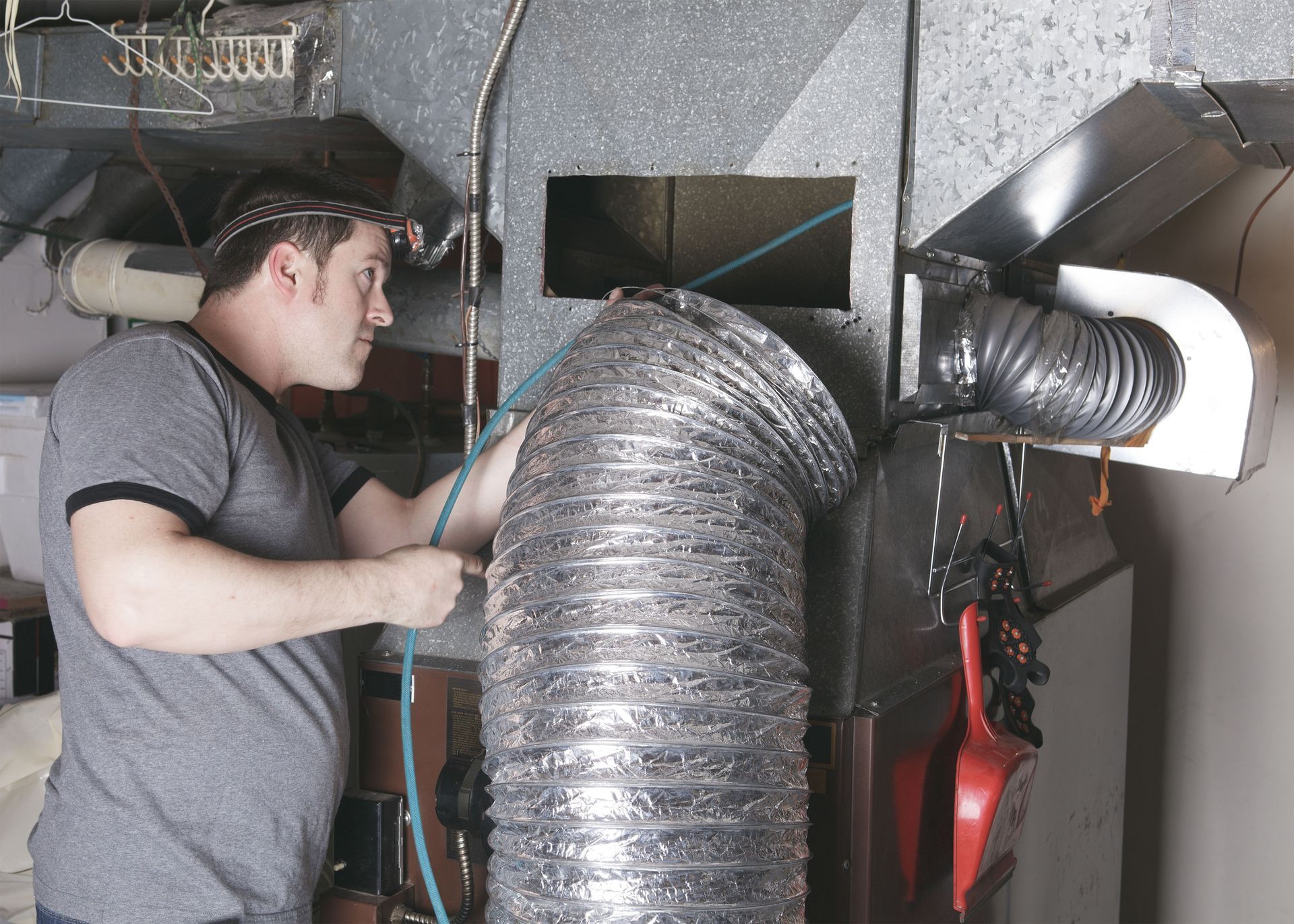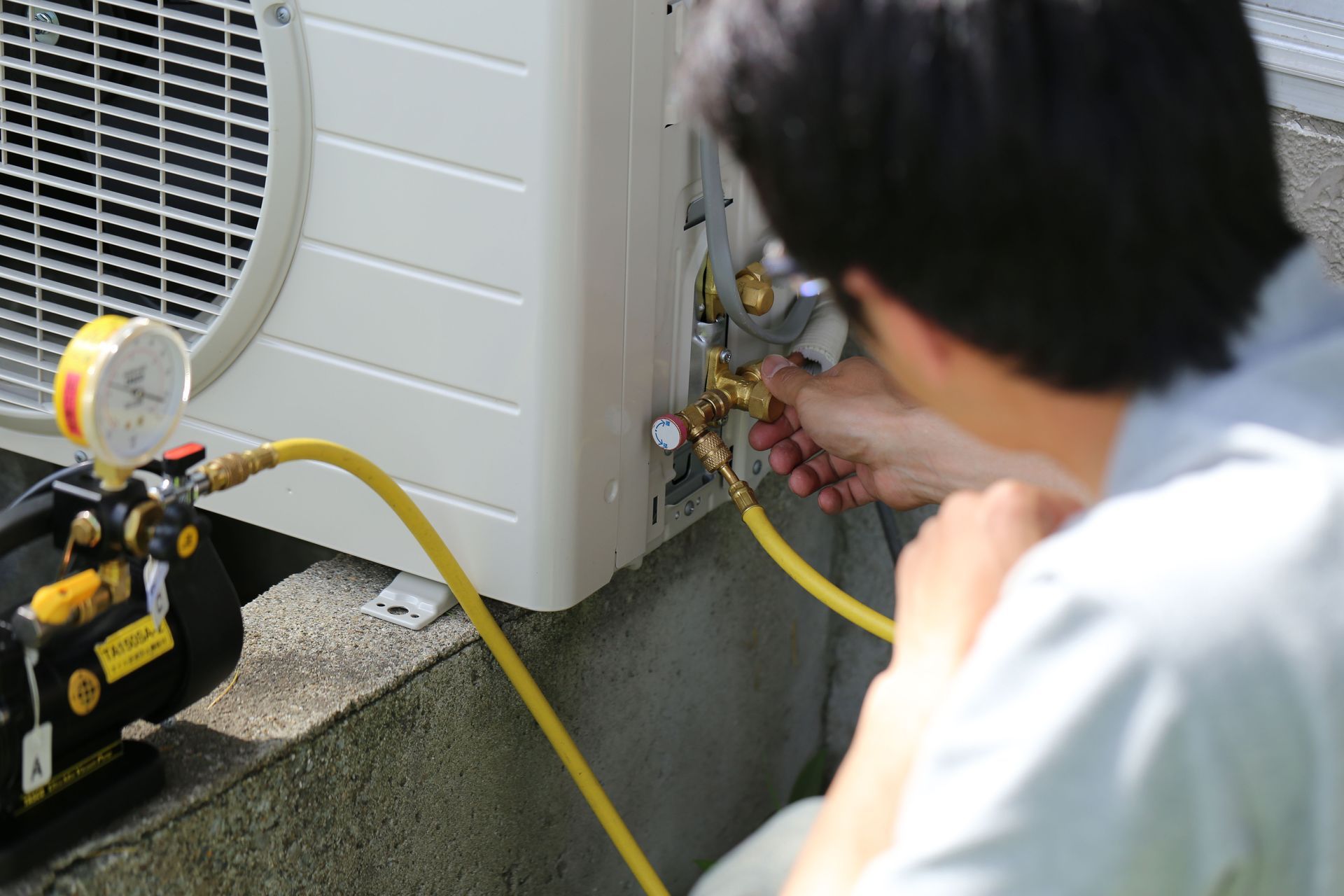
A furnace plays an essential role in keeping your home comfortable during colder months, but like any major appliance, it will eventually show signs of age. Understanding the stages of a furnace's life cycle helps homeowners recognize when maintenance is needed, when repairs are worthwhile, and when replacement may be the better option. With consistent care and attention to performance changes, you can help your heating system operate reliably for years. Scheduling regular inspections and addressing minor concerns early can also reduce unexpected breakdowns during cold weather. When problems arise, timely furnace repair may help restore performance and extend the equipment's useful life, depending on its condition.
Recognizing the Expected Furnace Lifespan
Most furnaces are designed to provide dependable heating for many years, although their actual lifespan depends on several factors. According to HomeAdvisor, many furnaces last 15 to 30 years. Equipment quality, installation, usage, maintenance, and local climate can all influence how long a system continues to perform effectively.
A furnace that receives regular professional maintenance may remain reliable longer than one that is neglected. Replacing filters as recommended, keeping vents clear, and arranging routine inspections can help prevent avoidable wear. However, even well-maintained equipment eventually experiences component deterioration.
Homeowners should consider the system's age alongside its overall condition. A furnace approaching the end of its expected lifespan may require more frequent service, but age alone does not automatically mean replacement is necessary. Monitoring performance and discussing concerns with a qualified technician can help determine the most practical next step.
Maintaining Performance During the Early Years
During the first several years of operation, a properly installed furnace will generally provide consistent heating with relatively few problems. This stage is an opportunity to establish good maintenance habits that support efficiency and help protect the equipment.
Routine maintenance may include inspecting electrical connections, checking system controls, examining accessible components, and verifying that the furnace operates safely. Technicians can also identify developing issues before they cause unexpected breakdowns.
Homeowners can support performance between professional visits by taking simple precautions:
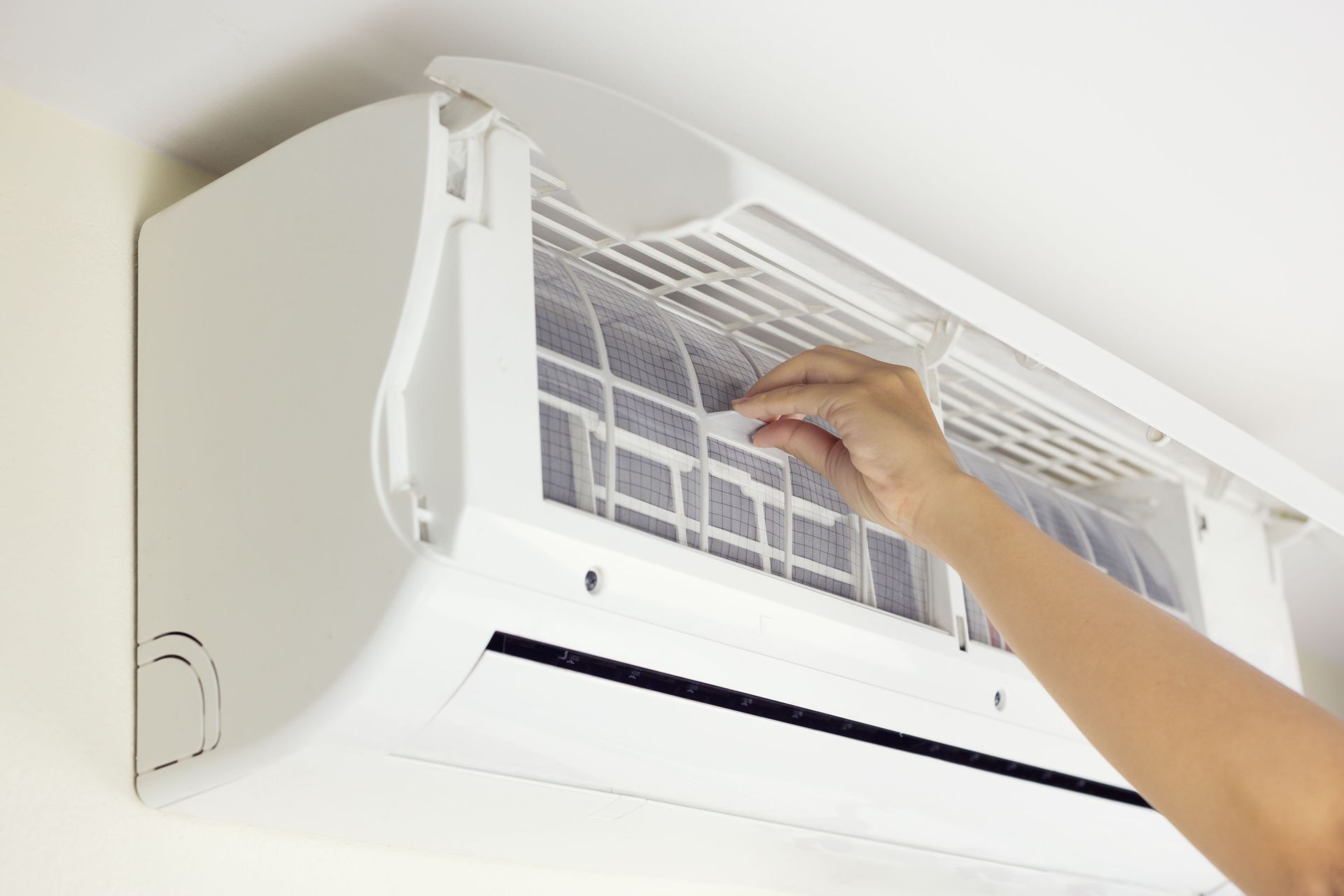
- Replace or clean air filters according to the manufacturer's recommendations.
- Keep supply registers and return-air vents unobstructed.
- Maintain clear space around the furnace.
- Pay attention to unusual noises, odors, or changes in heating performance.
- Keep up with recommended annual inspections and maintenance.
These practices can reduce unnecessary strain on the system and help maintain comfortable indoor temperatures. If a problem develops, timely furnace repair may prevent additional damage and restore dependable operation before the issue becomes more disruptive.
Identifying Wear During the Middle Years
As a furnace moves into its middle years, normal use can begin to affect its components. Parts such as blower motors, ignition systems, sensors, and electrical connections may experience wear. The system might still heat the home effectively, but occasional repairs or adjustments may become necessary.
Homeowners may notice that the furnace takes longer to reach the thermostat setting, cycles more frequently, or produces unfamiliar sounds. Rising energy bills can also indicate reduced performance, although changes in weather, utility rates, insulation, and household habits may contribute.
Professional inspections help distinguish ordinary maintenance needs from more significant mechanical concerns. A technician can evaluate the system's condition, identify worn components, and explain whether a repair is likely to provide reliable results.
Addressing problems promptly is particularly important during colder weather, when a malfunction can affect household comfort. Furnace repair may be a sensible choice when the issue is isolated, the equipment is otherwise in good condition, and the cost is reasonable compared with replacement.
Evaluating Repairs During the Later Years
Older furnaces often require more attention as their components approach the end of their useful service life. Breakdowns may become more frequent, and replacement parts can become harder to find for discontinued models. Even when individual repairs are possible, repeated service calls can increase the total cost of keeping the system operational.
Several warning signs may suggest that an aging furnace needs a closer evaluation:
- Heating is inconsistent across different rooms.
- The system starts and stops more often than usual.
- Energy bills increase without an obvious explanation.
- Repairs are becoming more frequent or expensive.
- The furnace struggles to maintain the desired temperature.
These symptoms do not necessarily mean the furnace must be replaced. A technician can assess the cause, explain available options, and help homeowners compare repair costs with the potential benefits of installing new equipment.
Safety should remain a priority throughout this stage. If a carbon monoxide alarm activates or occupants experience symptoms that could indicate exposure, leave the home and contact emergency services or the appropriate utility provider from a safe location. Do not continue operating a furnace suspected of creating a hazardous condition.
Comparing Replacement With Continued Maintenance
Deciding whether to repair or replace a furnace involves more than looking at its age. Homeowners should consider the operating condition, repair history, energy performance, and the likelihood of additional problems. A relatively inexpensive repair may make sense for an older system that has otherwise performed reliably, while repeated major repairs may justify exploring replacement. Timely furnace repair can help address specific problems before they lead to more costly complications.
Newer equipment may offer improved efficiency, but actual savings depend on the existing furnace, the replacement model, installation quality, energy prices, and household heating needs. Proper sizing and professional installation are important because an incorrectly sized system may struggle to maintain comfort or operate efficiently.
When comparing options, ask a technician to explain the nature of the problem, the estimated repair cost, and any concerns about the furnace's remaining service life. This information makes it easier to plan expenses rather than waiting for a complete breakdown during a cold spell. Professional furnace repair may be a practical option when the system is otherwise dependable, and the cost of fixing the problem is reasonable.
Extending Furnace Life With Preventive Care
Preventive maintenance remains important throughout the furnace's life cycle. Regular service helps technicians assess system performance, clean or inspect relevant components, and identify conditions that could contribute to premature wear. It also provides an opportunity to address minor issues before they require more extensive repairs.
Homeowners should follow the manufacturer's maintenance recommendations and arrange professional service at appropriate intervals. Keeping filters clean, maintaining clear airflow, and monitoring performance changes can further support reliable operation.
Although maintenance cannot eliminate every mechanical failure or guarantee a specific lifespan, it can help homeowners make informed decisions about their heating equipment. A consistent approach also makes it easier to recognize when the system's condition is changing and when additional evaluation is warranted.
Planning for Reliable Heating Over Time
Understanding your furnace's life cycle helps you prepare for maintenance, budget for repairs, and recognize when a replacement is warranted. By monitoring performance, responding to warning signs, and scheduling regular professional service, homeowners can maintain reliable heating while making informed decisions about long-term costs.
Keeping records of maintenance visits, repairs, and equipment issues can also help you track your furnace's condition over time. These records make it easier to identify recurring problems and determine whether continued repairs remain cost-effective. Planning ahead can also help you budget for a replacement before an unexpected breakdown leaves your home without heat. With consistent attention, you can make more confident decisions about your heating system's future.
Scheduling Professional Furnace Repair and Maintenance
If your furnace develops unusual noises, uneven heating, or frequent cycling, prompt attention can help prevent further complications. Professional furnace repair can address specific problems, restore system performance, and help determine whether your equipment needs additional maintenance or replacement. Contact Memphis Air Conditioning & Heating to schedule service and keep your home's heating system operating safely and reliably.