July 24, 2026
Understanding the multifaceted reasons for this increase can guide consumers, repair businesses, and the industry at large in preparing for heightened demand, ensuring both efficient service delivery and consumer satisfaction.
Understanding the Causes of Increased AC Repair Demands in July
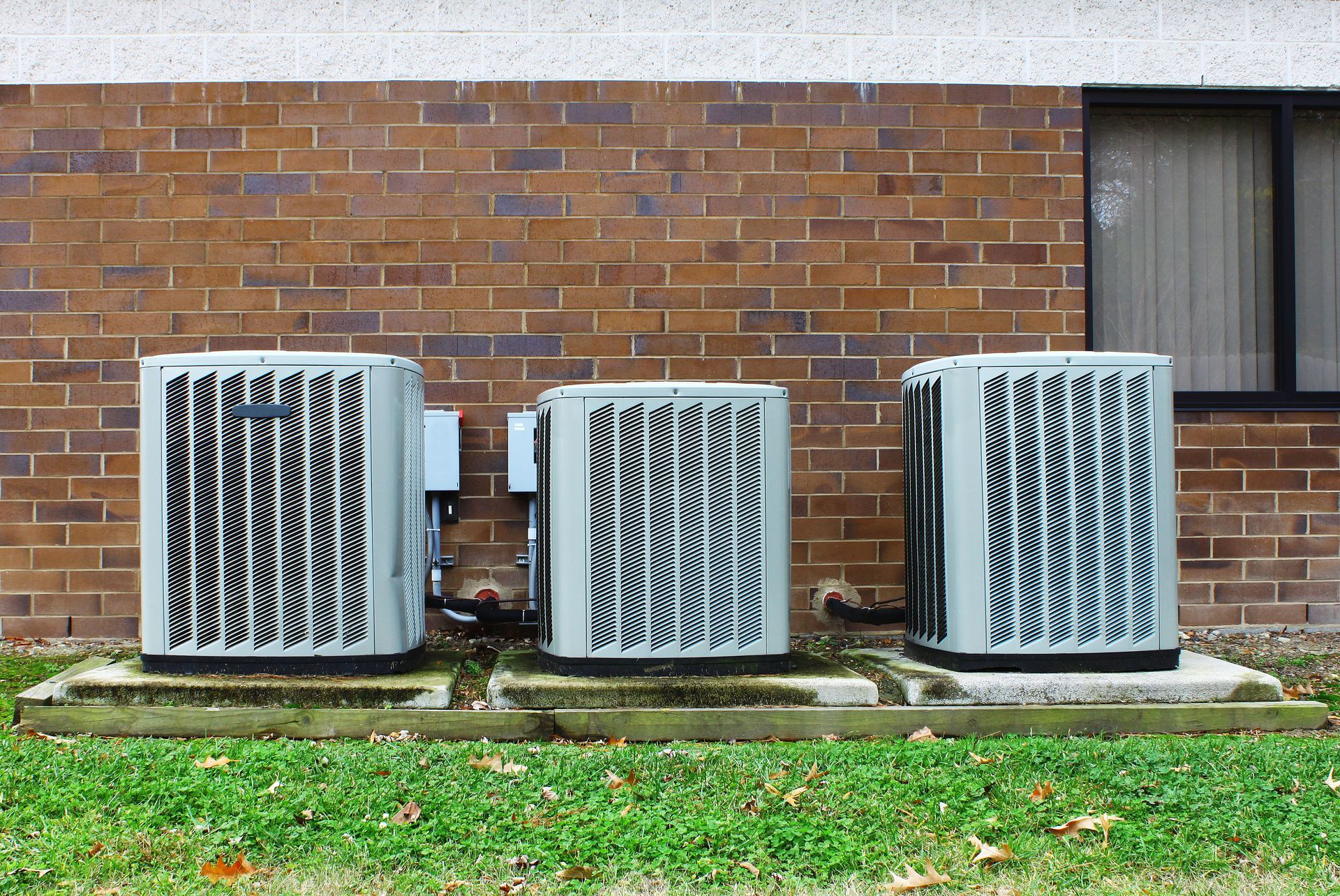
Heat waves significantly strain air conditioning systems, causing a surge in repair needs. High external temperatures force AC units to work harder, putting stress on their components and leading to frequent breakdowns. Power surges during excessive heat can overburden AC circuits, resulting in failures. Moreover, heat waves accelerate the wear and tear of parts like compressors, exacerbating system malfunctions. The increased operation time during these scorching periods highlights the vulnerability of HVAC systems to persistent high temperatures.
During the peak summer months, the prolonged use of AC units leads to increased wear, raising the likelihood of repair needs. Continuous operation over extended periods without breaks can cause parts to deteriorate rapidly. The constant running of these systems during the summer places additional stress on filters and fans, leading to performance inefficiencies. As systems struggle to maintain comfortable indoor climates, even minor issues can escalate into costly repairs. The cumulative effect of nonstop operation during July, when people rely heavily on cooling, accounts for the spike in repair demands.
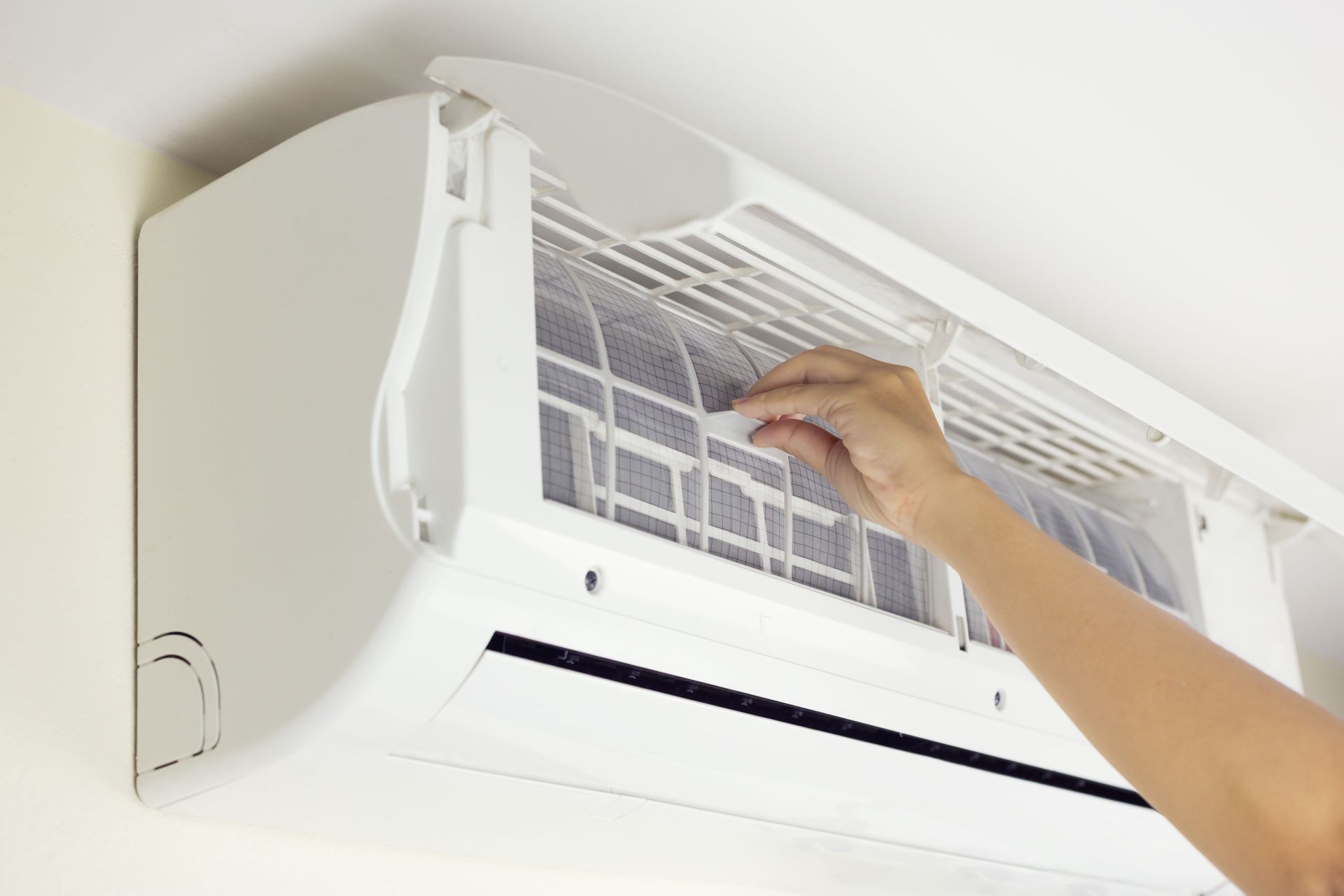
Routine maintenance is critical in preventing AC system breakdowns, yet many homeowners neglect this aspect. Without regular servicing, potential problems remain undiscovered until they manifest as larger issues during periods of high demand. Filters, coils, and fins require periodic cleaning and replacement to ensure smooth operation, which is often overlooked. Older air conditioning units often struggle to handle peak summer demands, and climate change plays a significant role in altering weather patterns, resulting in more frequent and intense heat waves.
Analyzing Statistical Trends and Regional Variations
Accurate data collection is crucial for understanding the dynamics of AC repair demand surges. Various methods, including service call records, consumer surveys, and online search volume analysis, provide comprehensive insights into repair trends. These diverse data sources allow researchers to identify overarching patterns and pinpoint specific periods of increased activity. According to Sequoia Geographic Research's 2026 HVAC Statistics report, AC repair search volume surges by 266% during July compared to baseline demand, demonstrating the increased need for AC repairs during peak summer heat.
Comparing repair request data across consecutive years provides valuable insights into annual trends. Analyzing year-on-year variations reveals consistent patterns of increased activity each summer, with notable peaks in certain months. July, in particular, exhibits a major increase in repair-related searches compared to baseline data, highlighting the dramatic seasonal demand. Tracking these trends assists businesses in anticipating future surges and preparing resources accordingly. This historical analysis serves as a predictive tool, allowing both consumers and providers to manage expectations more effectively.
AC repair demand is not uniform across regions, with some areas experiencing higher surges during peak seasons. Factors such as geographic location, climate variability, and population density influence these regional differences. Urban areas with concentrated populations often report more significant demand spikes, necessitating more extensive repair services. Demographic factors also play a role in shaping the demand, as families, individuals, tenants in rental properties, and aging homeowners typically require more frequent service, often due to older unit models.
Managing the Impacts of Surging Summer Demand
The surge in AC repairs during summer exerts significant pressure on repair businesses and technicians. As requests exponentially increase, companies struggle to manage heightened workloads efficiently. Overworked technicians face physical and mental fatigue, which can compromise the quality and speed of service delivery. This strain often leads to increased overtime demands, further stretching human resources within the industry. To navigate these challenges, businesses must invest in strategic workforce planning and enhanced support systems.
High volumes of requests inevitably result in extended wait times for homeowners seeking AC repairs. Delays frustrate consumers, especially when faced with the discomfort of malfunctioning cooling systems amidst rising temperatures. Lengthy service queues prompt some customers to seek alternative service providers, increasing competition within the industry. To mitigate wait times, businesses can employ triage systems to prioritize urgent cases, balancing workload distribution efficiently. Addressing these challenges necessitates a combination of resource management and customer communication strategies.
In response to increased demand, some companies may adopt surge pricing models, impacting consumer costs. Higher service prices during peak times can strain homeowners' budgets, forcing difficult decisions regarding system repairs or upgrades. Intense summer workloads invariably lead to technician fatigue, adversely affecting service quality and operational efficiency. Despite challenges, surging demands present growth opportunities for businesses willing to invest in expansion, recruitment, and infrastructure to ensure long-term success amidst seasonal fluctuations.
Mitigating Stress on Air Conditioning Systems
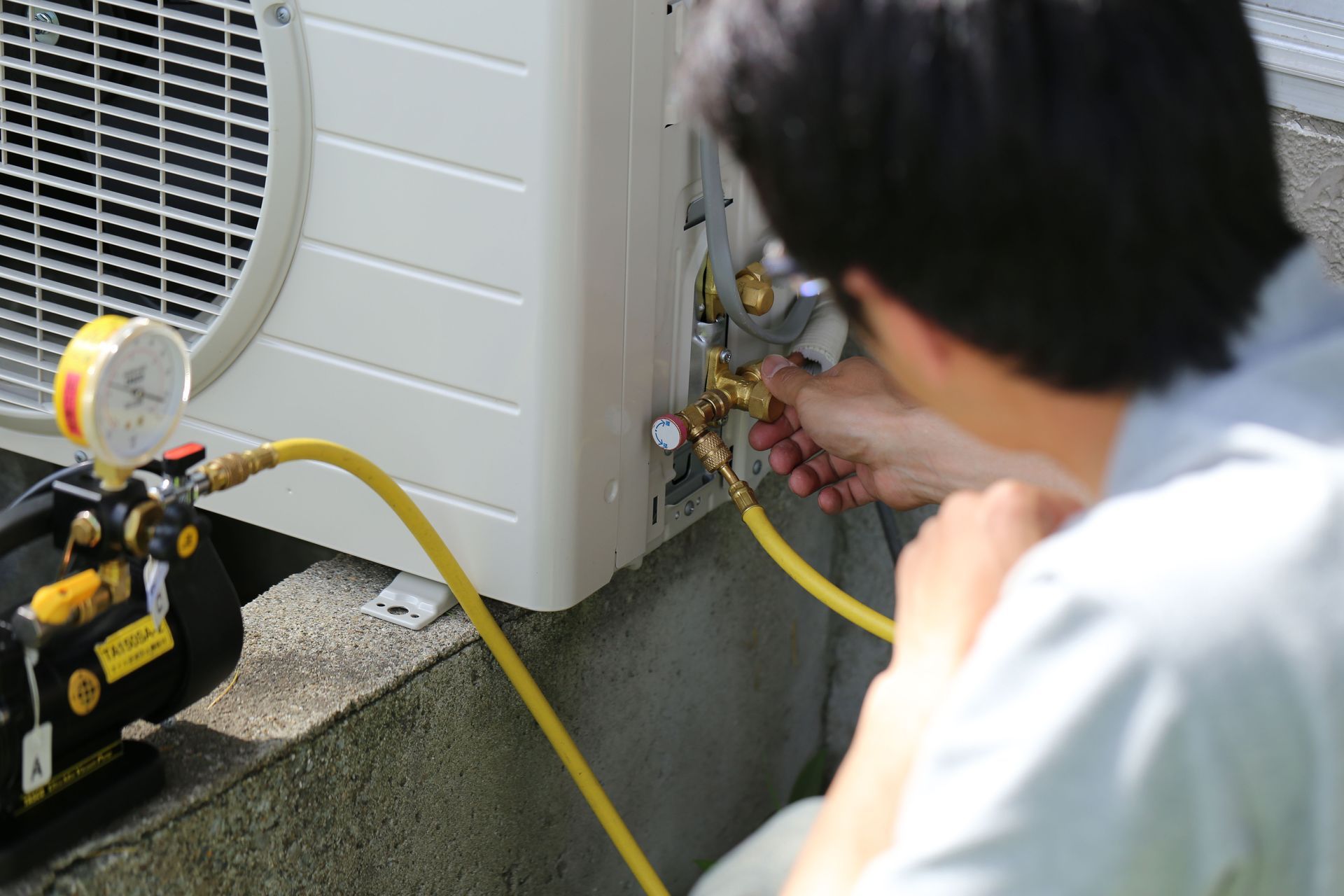
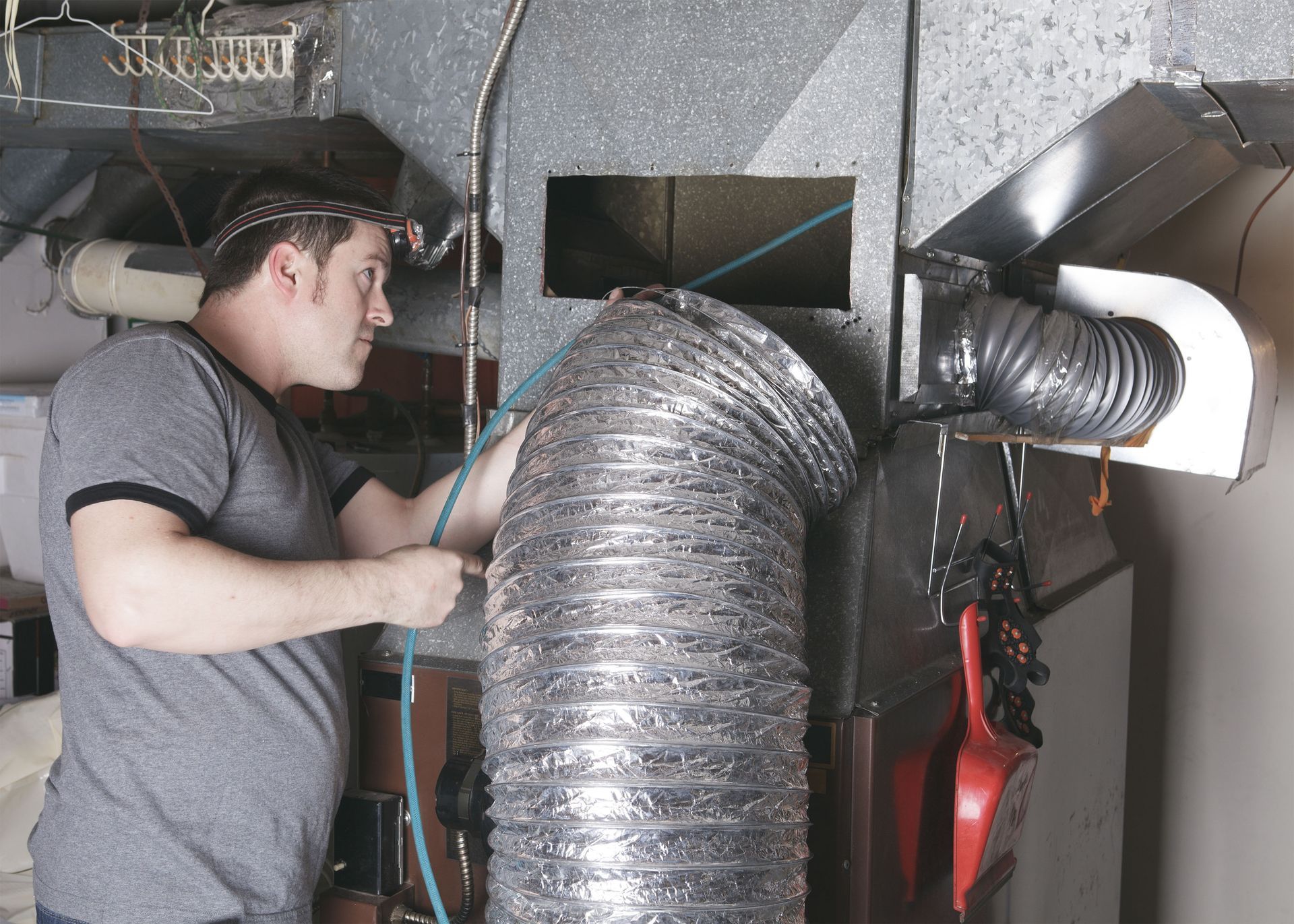
Conducting pre-summer maintenance checks is crucial for minimizing AC stress and avoiding mid-season breakdowns. Regular assessments allow homeowners to identify potential issues, such as worn-out components or inefficient performance, before they escalate. Professional inspections can guide optimal servicing schedules, ensuring systems operate efficiently during peak demand periods. Establishing routine maintenance reduces surprise repair needs, promoting system longevity and performance reliability.
Implementing energy-saving strategies can enhance AC efficiency and reduce repair-related stress. Setting higher thermostat temperatures or using programmable thermostats to regulate cooling when not needed optimizes energy consumption. Improving home insulation prevents cool air loss, reducing system workload while maintaining desired indoor climates. Regularly cleaning and replacing filters further improves unit efficiency, lowering energy demands and minimizing system strain. Employing these strategies enhances sustainability and reduces repair frequency during high-demand summers.
Discerning the appropriate time to repair versus replace an AC system is vital for cost-effective energy management. Factors such as the age of the unit, frequency of repairs, and energy efficiency guide decision-making on repair or replacement options. Newer systems offer superior performance and energy savings compared to older, fault-prone models. Understanding warranty terms, cost implications, and the potential for technological upgrades aids in determining the optimal course of action while balancing investment benefits with practical financial goals.
Adopting Technological Innovations in Cooling
Advancements in smart thermostats and monitoring systems have revolutionized AC management, offering enhanced control and efficiency. These systems enable precise temperature settings, personalized climate schedules, and remote system access via mobile applications. Additionally, real-time monitoring alerts homeowners to performance issues before they escalate, preventing potential system failures. By leveraging smart technology, homeowners optimize energy consumption while maintaining comfort, reducing stress on AC systems, and minimizing the frequency of AC repairs.
The development of energy-efficient AC models underscores the industry's commitment to sustainability and operational efficiency. Modern units combine advanced cooling technologies with refined energy management practices, minimizing consumption while maximizing performance. Transitioning to energy-efficient models helps reduce electricity bills and environmental impact, aligning with global energy conservation goals. Upgrading to these systems offers tangible benefits, including improved reliability and reduced AC repairs.
Eco-friendly refrigerants are increasingly gaining acceptance as environmentally sustainable alternatives to traditional coolants. Their reduced impact on ozone depletion and global warming aligns with regulatory goals and consumer preferences for sustainable products. Concurrently, the evolution of AC repair tools and techniques highlights an ongoing commitment to efficiency and quality enhancement. Innovative diagnostic tools enable faster, more accurate assessments, streamlining service delivery and minimizing downtime for required AC repairs.
The dramatic increase in AC repair demand during July highlights the need for proactive measures from consumers, businesses, and the industry. Understanding underlying causes allows for strategic resource allocation and service delivery enhancements. Preparing for heightened summer demands, investing in technological advancements, and embracing sustainable practices are key to effectively managing these spikes. As climate patterns shift and consumer expectations evolve, the AC repair industry must adapt to maintain resilience and service excellence. Proactively addressing these challenges ensures the ongoing success and sustainability of cooling solutions in a dynamic environment. For more information about the services that we offer, reach out to our incredible team at Memphis Air Conditioning & Heating today!