Your HVAC system has a journey of its own. From the day it is installed to the years of maintenance, repairs, upgrades, and eventual replacement, each stage affects your comfort, energy use, and indoor air quality. Many homeowners only think about heating and cooling equipment when something goes wrong, but understanding the full path of your system can help you make smarter decisions before small issues become major problems. Taking a proactive approach allows you to maximize performance and reduce unexpected disruptions. Working with an HVAC contractor can also make that journey easier to manage from beginning to end.
Mapping your HVAC's journey means knowing what your system needs at every stage of its life. It means recognizing early warning signs, scheduling routine care, improving performance, and planning ahead for replacement when the time comes. Every decision you make can influence how efficiently your system operates and how long it lasts. With the right knowledge and professional support, your HVAC system can serve your home more reliably and efficiently for years.
Understanding Your System
Every HVAC journey begins with understanding what your system does. HVAC stands for heating, ventilation, and air conditioning, which means the system is responsible for much more than cooling your home in the summer or warming it in the winter. It also helps circulate air, manage humidity, and support healthier indoor conditions. Understanding these functions can help homeowners appreciate the important role their system plays every day. A better understanding of your system also makes it easier to recognize potential problems and communicate effectively with service professionals when maintenance or repairs are needed.
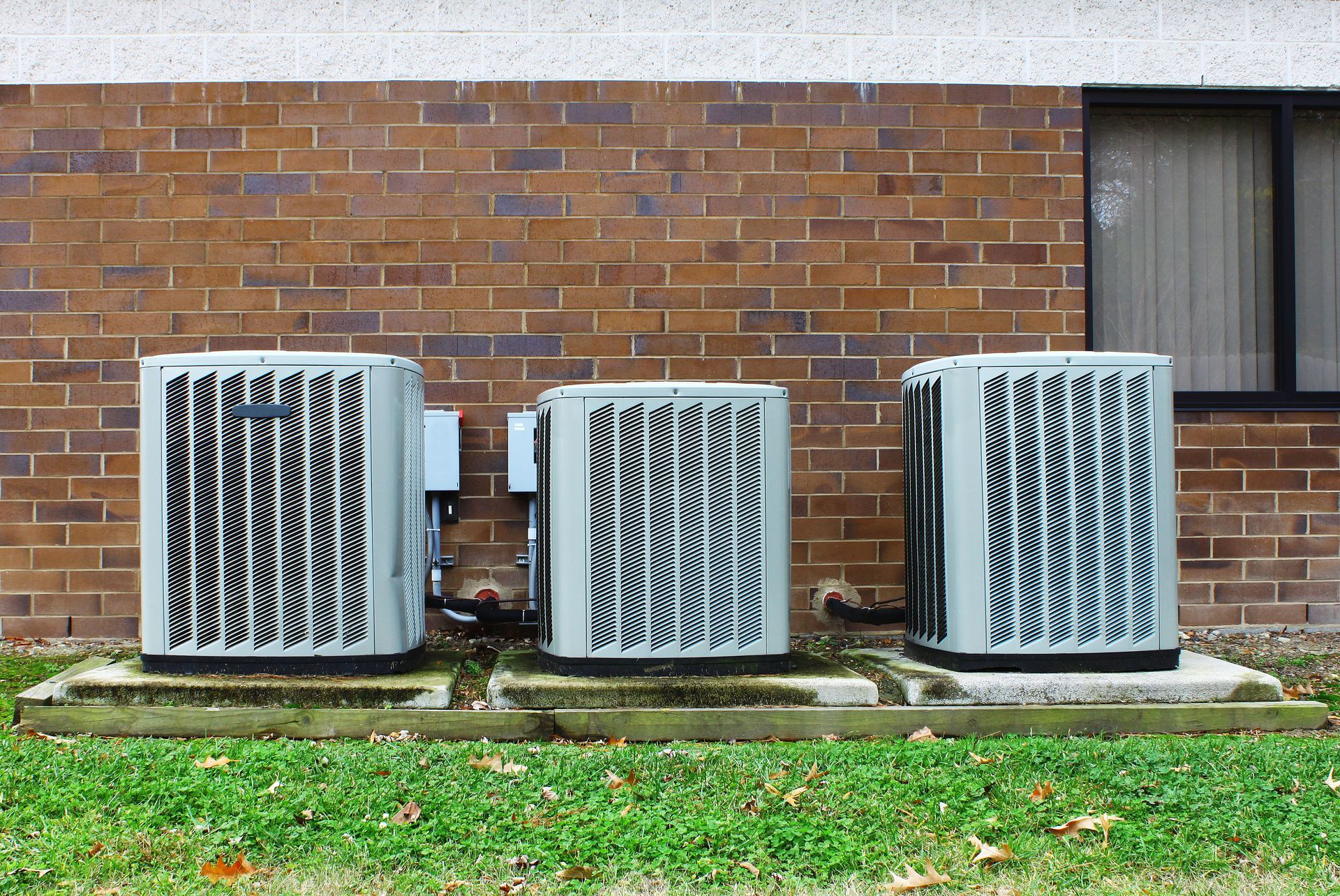
Your system may include a furnace, heat pump, air conditioner, ductwork, thermostat, filters, vents, and indoor air quality accessories. Each component plays a role in overall performance and comfort. When one part struggles, the whole system can be affected, leading to inefficiencies and uneven temperatures. That is why it is important to view your HVAC equipment as a connected comfort system rather than a single appliance. Taking a whole-system approach can help homeowners make smarter decisions about maintenance, upgrades, and energy-saving improvements throughout the life of the equipment. An experienced HVAC contractor can also help identify how these components work together and recommend solutions that support optimal system performance.
Choosing Proper Installation
Installation is one of the most important stages in your HVAC's journey. Even high-quality equipment can underperform if it is not properly sized or installed. A system that is too large may cycle on and off too frequently, while a system that is too small may run constantly without keeping your home comfortable. Both situations can increase wear and reduce efficiency over time. Poor installation can also lead to airflow issues, inconsistent temperatures, and higher operating costs, creating problems that may continue throughout the life of the system.
A trusted HVAC contractor can evaluate your home's size, layout, insulation, ductwork, and comfort needs before recommending equipment. This step helps ensure your system is designed specifically for your living space. Proper installation promotes better airflow, balanced temperatures, and lower energy consumption. Starting with the right setup can have a lasting impact on the overall success of your HVAC system. It can also improve long-term reliability, reduce the need for unnecessary repairs, and help homeowners get the most value from their heating and cooling investment.
Scheduling Routine Maintenance
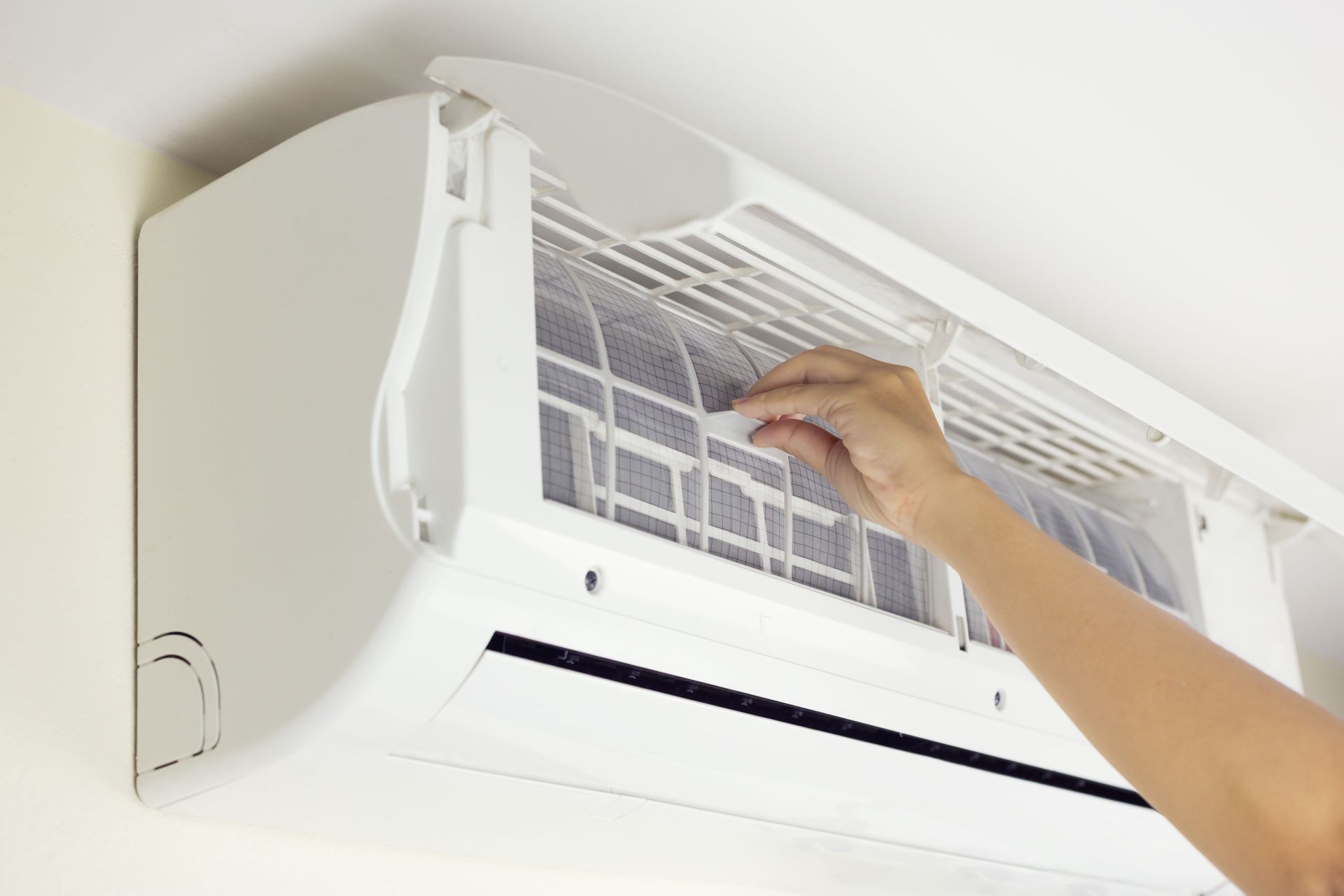
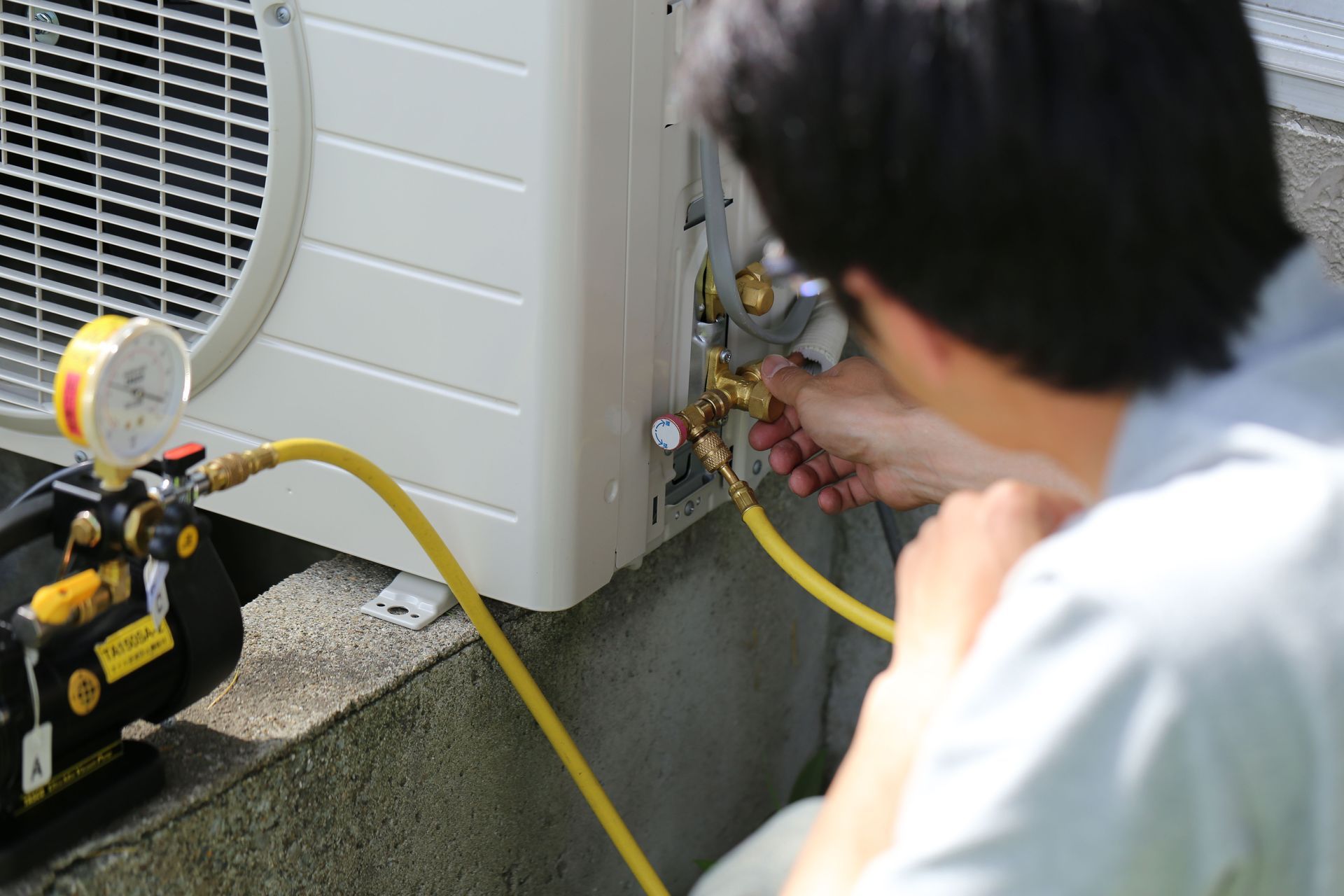
Routine maintenance helps keep your HVAC journey on track. Seasonal tune-ups allow technicians to inspect key components, clean parts, check electrical connections, test airflow, and look for signs of wear. These visits provide opportunities to identify developing issues before they become major concerns. Regular service also helps your equipment operate more efficiently throughout the year. In addition, maintenance appointments help ensure that all system components are functioning properly and can reveal hidden problems that may otherwise go unnoticed until a breakdown occurs.
According to Home Advisor, most HVAC systems can remain operational for 15 to 25 years when they receive regular maintenance. That makes maintenance one of the most effective ways to protect your investment. By having an HVAC contractor inspect your system regularly, you can catch minor concerns early and reduce the likelihood of unexpected breakdowns. Consistent care often translates into lower repair costs and better long-term performance. It can also improve energy efficiency, support more reliable comfort, and help homeowners avoid the inconvenience of emergency repairs during periods of extreme weather.
Identifying Emerging Issues
As your system ages, it may begin showing signs that something is wrong. Unusual noises, weak airflow, uneven temperatures, frequent cycling, rising utility bills, or strange odors can all signal a developing issue. These warning signs should never be ignored because they often indicate underlying problems. Addressing concerns early can help prevent more extensive damage. Paying attention to changes in system performance can help homeowners identify problems sooner and avoid situations that could leave their homes without reliable heating or cooling.
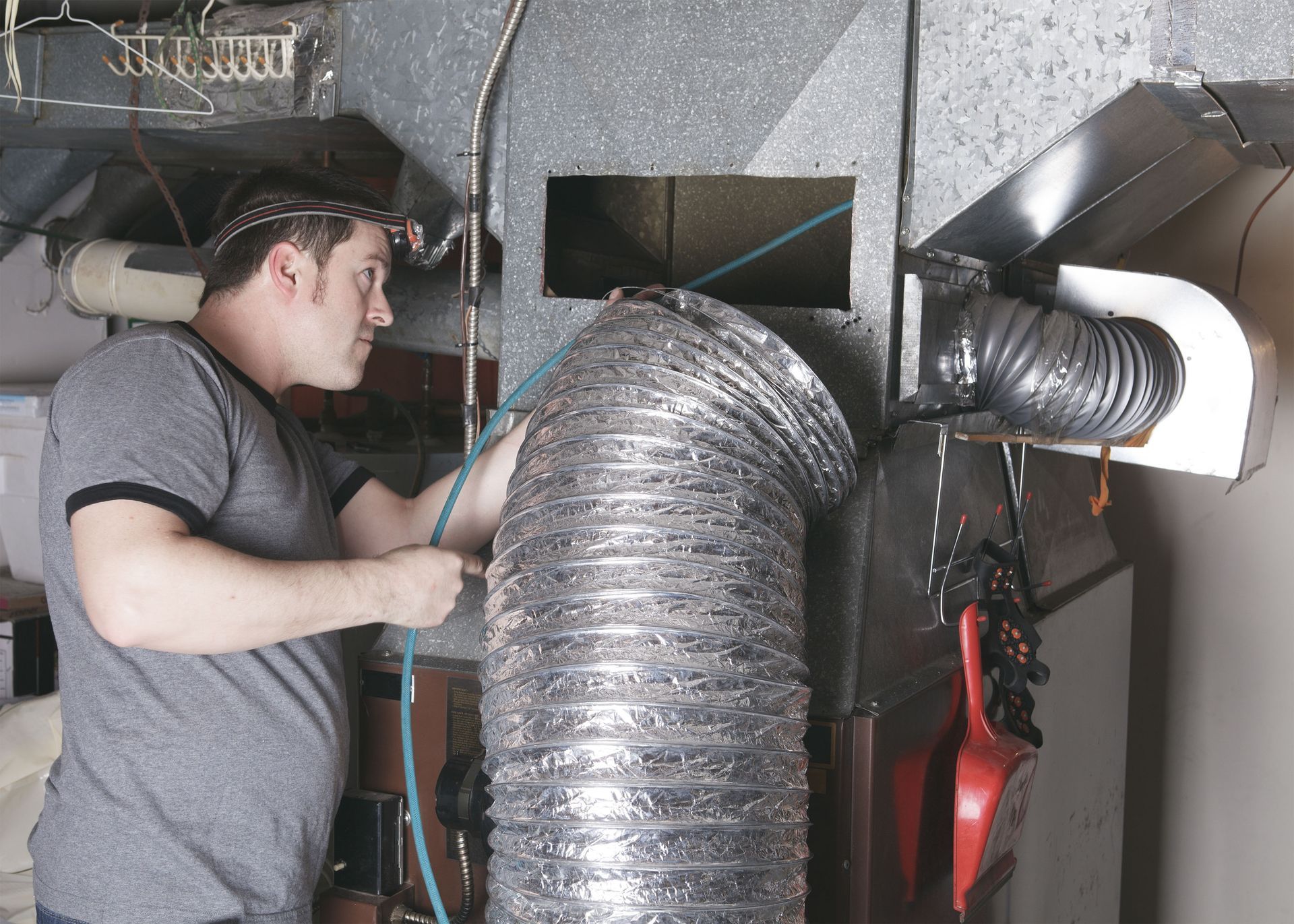
Calling an HVAC contractor when warning signs appear can help prevent bigger repairs later. A technician can inspect the system, identify the cause, and recommend the most appropriate solution. Professional diagnostics eliminate guesswork and help ensure accurate repairs. Taking action quickly often saves homeowners both time and money. Early intervention can also extend the life of the system, improve efficiency, and reduce the risk of a complete breakdown during periods of heavy seasonal demand.
Improving Overall Efficiency
Energy efficiency becomes increasingly important as your HVAC system moves through its life cycle. If your equipment is working harder than necessary, it may consume more energy while delivering less comfort. Leaky ductwork, dirty filters, poor insulation, and aging components can all contribute to efficiency losses. Even small inefficiencies can add up over time and affect monthly utility costs.
Simple upgrades can often improve performance without requiring a complete replacement. Programmable thermostats, smart thermostats, duct sealing, airflow improvements, and regular maintenance can all support better efficiency. An HVAC contractor can evaluate your current system and identify opportunities for improvement. These enhancements can reduce energy waste while helping maintain consistent indoor temperatures.
Managing Indoor Air Quality
Your HVAC system has a direct connection to the quality of the air inside your home. Dust, allergens, humidity, pet dander, and airborne contaminants can all circulate through your living space. Poor indoor air quality may contribute to discomfort and aggravate certain health concerns. Fortunately, your HVAC system can help manage many of these issues when properly maintained.
Air purifiers, humidifiers, dehumidifiers, upgraded filters, and ventilation improvements can help create a cleaner indoor environment. These solutions work together to reduce airborne particles and maintain balanced humidity levels. Cleaner air can contribute to a more comfortable and enjoyable home environment throughout the year. By investing in indoor air quality improvements, homeowners can support both comfort and wellness.
Planning Future Replacement
No HVAC system lasts forever, regardless of how well it is maintained. As equipment ages, it may become less efficient, less reliable, and more expensive to repair. Planning ahead for replacement can help you avoid stressful decisions during an unexpected breakdown. Understanding the signs of an aging system allows you to prepare before an emergency occurs.
An HVAC contractor can help you evaluate your current equipment and determine when replacement makes sense. Factors such as age, repair frequency, energy bills, comfort concerns, and overall system condition all play a role in the decision. Replacing your system at the right time can improve comfort, efficiency, and reliability. Mapping your HVAC's journey helps you make informed choices that support your home for years to come. If you are ready to receive professional guidance for every stage of your system's life cycle, contact Memphis Air Conditioning & Heating today.